Story Book the Wooden Doll's: Evaluating a Unique Narrative Experience for Bedtime
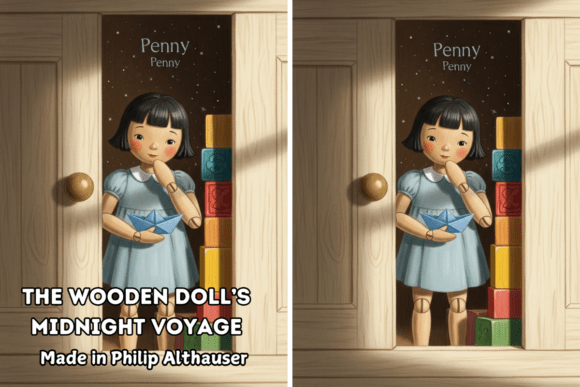
In the landscape of children's literature, few concepts blend tactile storytelling with imaginative escapades as effectively as Story Book the Wooden Doll's. This title is not merely a collection of words on a page; it represents a specific approach to bedtime routines that prioritizes emotional connection and sensory engagement. For parents and educators aged 20 to 50 seeking resources that go beyond passive reading, understanding the distinct mechanics of this narrative style is essential. The story follows a wooden doll who embarks on a midnight voyage, transforming a quiet bedroom into a sea of moonlight and adventure.
The core premise revolves around an anthropomorphic character—a wooden doll—who comes to life at the stroke of twelve. Unlike traditional fairy tales where magic is often external or bestowed by wizards, the magic in Story Book the Wooden Doll's is intrinsic to the object itself. This distinction offers a unique psychological anchor for young readers. The narrative details her journey across silver puddles of moonlight, encounters with a grumpy matchstick pirate, a school of singing goldfish, and a snoring cloud. These elements serve a dual purpose: they entertain while simultaneously modeling the transition from wakefulness to sleep.
Distinguishing Features of the Narrative Approach
What makes Story Book the Wooden Doll's stand out in a crowded market of picture books and audiobooks is its structural reliance on routine and anticipation. The story explicitly mentions the clock striking twelve, creating a temporal marker that aligns perfectly with typical bedtime schedules. This synchronization allows the book to function as a ritualistic tool rather than just entertainment. When read aloud, the text invites the listener to visualize the doll stretching, wiggling, and tiptoeing, encouraging a shared imaginative space between parent and child.
The setting of the story—the hallway clock, the shelf, the window—mirrors the actual environment of the child's home. This grounding in reality contrasts sharply with stories set in distant kingdoms or abstract dreamscapes. By placing the magical voyage within the familiar confines of a house, the narrative reduces anxiety associated with the dark. The doll's mission to race the morning sun back home before anyone notices introduces a gentle urgency that keeps the plot moving without inducing fear. Instead of a terrifying chase, the reader feels a sense of relief knowing the protagonist returns safely, reinforcing the safety of the sleeping environment.
Comparative Analysis with Traditional Bedtime Stories
When evaluating Story Book the Wooden Doll's against other options, several key differences emerge regarding tone, pacing, and thematic focus. Traditional bedtime stories often follow a linear progression of events leading to a resolution, sometimes involving conflict that must be resolved before sleep. In contrast, the doll's voyage is episodic and whimsical, focusing on encounters rather than high-stakes drama. The grumpy matchstick pirate and the singing goldfish are characters designed to evoke giggles and wonder rather than tension or danger.
- Pacing and Rhythm: Many standard stories utilize complex sentence structures or rapid plot twists that can inadvertently stimulate a child's brain. The prose in this doll narrative is rhythmic and repetitive, mimicking the cadence of a lullaby. This slower pace helps lower heart rates and prepares the mind for rest.
- Visual vs. Auditory Engagement: While illustrated books rely heavily on static images, the description of the doll's "tiny paper hat" and "teacup boat" encourages auditory visualization. Parents report that this specific type of imagery prompts children to create their own mental pictures, fostering creativity in a way that highly detailed illustrations sometimes inhibit.
- Thematic Consistency: Other resources might separate the fun of play from the discipline of sleep. This story bridges that gap by making the act of returning to bed the climax of the adventure. The doll's need to hide her soggy paper hat before dawn serves as a metaphor for the child needing to settle down before morning.
Strengths, Tradeoffs, and Decision Factors
Choosing the right resource for a bedtime routine requires weighing various factors. Story Book the Wooden Doll's excels in situations where a family struggles with resistance to sleep or needs a consistent wind-down signal. Its ability to transform the mundane act of going to bed into a magical event is its primary strength. However, like any literary choice, it has limitations and may not fit every family's dynamic.
The primary advantage lies in its emotional resonance. The story validates the child's imagination while gently guiding them toward the reality of sleep. It acknowledges the desire for adventure but frames it within safe boundaries. For parents looking for content that is both engaging and calming, this balance is rare. The inclusion of specific, tangible objects like the teacup boat and paper hat provides concrete anchors for discussion, allowing adults to ask questions about the doll's journey that deepen comprehension and bonding.
However, there are tradeoffs to consider. Families accustomed to fast-paced, action-oriented stories might find the slow, atmospheric nature of this tale less stimulating initially. Children who prefer interactive toys or digital media over traditional storytelling may require more time to adjust to the format. Furthermore, the effectiveness of the book relies heavily on the delivery. A monotone reading might diminish the whimsy, whereas a dynamic performance brings the matchstick pirate and singing goldfish to life.
Evaluating Fit for Different Age Groups
The suitability of Story Book the Wooden Doll's varies depending on the developmental stage of the child. For toddlers and preschoolers (ages 2–5), the story is ideal because it focuses on simple actions and sensory details. The concept of a doll coming to life is easily understood, and the visual of a teacup boat is relatable. At this stage, the story serves as a powerful tool for establishing sleep hygiene.
For older children (ages 6–9), the appeal shifts slightly. They may appreciate the mystery of the secret voyage and the logic of the doll racing the sun. This age group might engage with the story by asking "what if" questions about the matchstick pirate or the snoring cloud. If a child is already an avid reader, they might enjoy the text independently, using it as a bridge to writing their own adventures. However, for children with short attention spans or those who struggle with transitions, the lack of a dramatic conflict might make the story feel too soft compared to more adventurous narratives.
Alternatives and Complementary Approaches
While Story Book the Wooden Doll's offers a compelling option, it is not the only path to a successful bedtime routine. Parents exploring alternatives should consider different formats and styles based on their specific goals.
- Interactive Digital Apps: Some families prefer apps that offer sound effects and animations. While these can be engaging, they often lack the intimacy of a human voice reading a physical book. The doll story works best when read by a caregiver, as the interaction allows for pauses, whispers, and personalized commentary.
- High-Concept Fantasy: If a child craves epic battles and complex worlds, the gentle voyage of the wooden doll might seem insufficient. In such cases, a series featuring knights, dragons, or space explorers might be more appropriate, provided the ending remains calm to ensure sleep readiness.
- Sensory-Focused Books: For children who respond well to texture and touch, books with flaps or textured pages might be a better fit. The wooden doll narrative is primarily verbal and visual, so it pairs best with a quiet, still environment rather than one requiring physical manipulation.
The decision ultimately depends on the child's temperament and the family's current challenges. If the goal is to reduce bedtime resistance and foster a love for reading, Story Book the Wooden Doll's is a strong candidate. It avoids the pitfalls of overt moralizing or complex plots that can keep a child awake. Instead, it uses the metaphor of a midnight voyage to suggest that even the most exciting adventures end with a return to safety and rest.
Practical Application in Daily Life
To maximize the benefits of this story, parents can incorporate it into a broader routine. Reading the tale when the clock strikes eleven or near midnight creates a direct link between the narrative and the real-world environment. Discussing the "silver puddles of moonlight" outside the window can turn a boring observation into a moment of wonder. Encouraging the child to imagine what the doll sees in the sky helps them visualize their own surroundings in a positive light.
Furthermore, the story's theme of secrecy and discovery can be used to teach lessons about privacy and trust. The question of whether the doll will be found with her soggy hat adds a layer of suspense that keeps the child engaged without causing distress. By framing the return to bed as a heroic act of stealth and timing, the narrative empowers the child to participate in the process of settling down.
In conclusion, Story Book the Wooden Doll's represents a thoughtful entry in the realm of children's literature. It distinguishes itself through its integration of routine, its gentle pacing, and its ability to transform the bedroom into a site of magical exploration. While it may not suit every preference or age group, its strengths in promoting relaxation and imagination make it a valuable resource for families seeking a meaningful bedtime experience. Whether used as a standalone story or part of a larger collection, the wooden doll's voyage offers a heartwarming reminder that even the smallest journeys can lead to the sweetest dreams.